
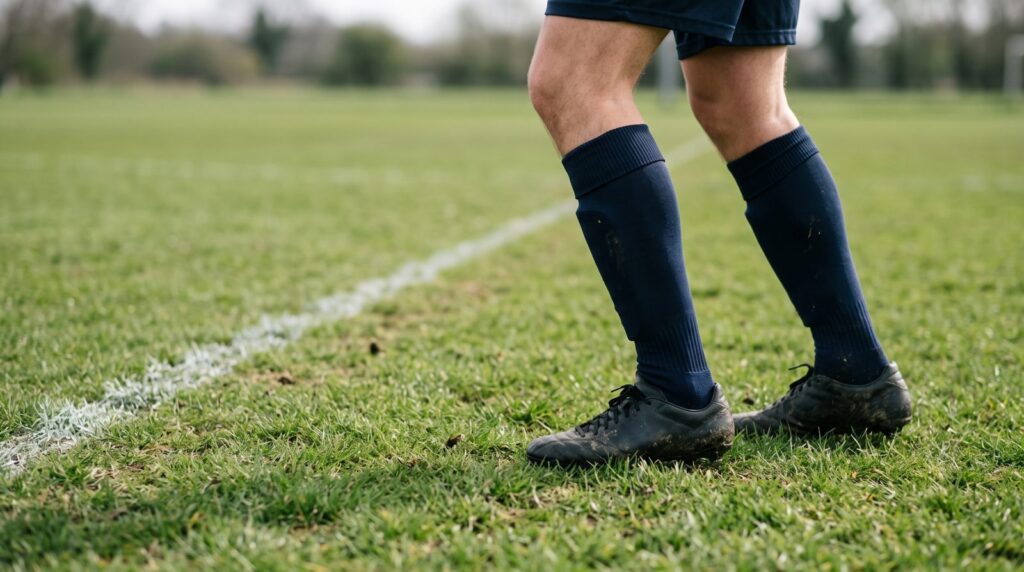
Tryouts are nerve-wracking, especially the first time. That nervousness is completely normal — most players feel it, and it tends to ease once you’ve been through a few sessions and start settling in. What matters more than eliminating the nerves is understanding what the people evaluating you are actually looking for, because it’s usually not what most players assume.
You’ve Already Been Noticed — Now It’s About Showing It
If you’ve been invited to a tryout, the coaches already have some idea of what you can do; that’s why you’re there. They also understand you can’t show everything in a single session. The goal isn’t to prove yourself in the first five minutes — it’s to let your level come through naturally, without forcing it. And the calmer you are, the more naturally that tends to happen. Pressure makes most players worse, not better.
Don’t Try to Do Too Much
This is the mistake I’d flag first to anyone going into a tryout: don’t try things beyond your actual level just to impress. It’s tempting to attempt a flashy move or a risky pass to stand out, but simple, clean play is usually far more effective — and far more consistent — than something ambitious that doesn’t come off. Stick to what you genuinely do well. A tryout isn’t the moment to test something new.
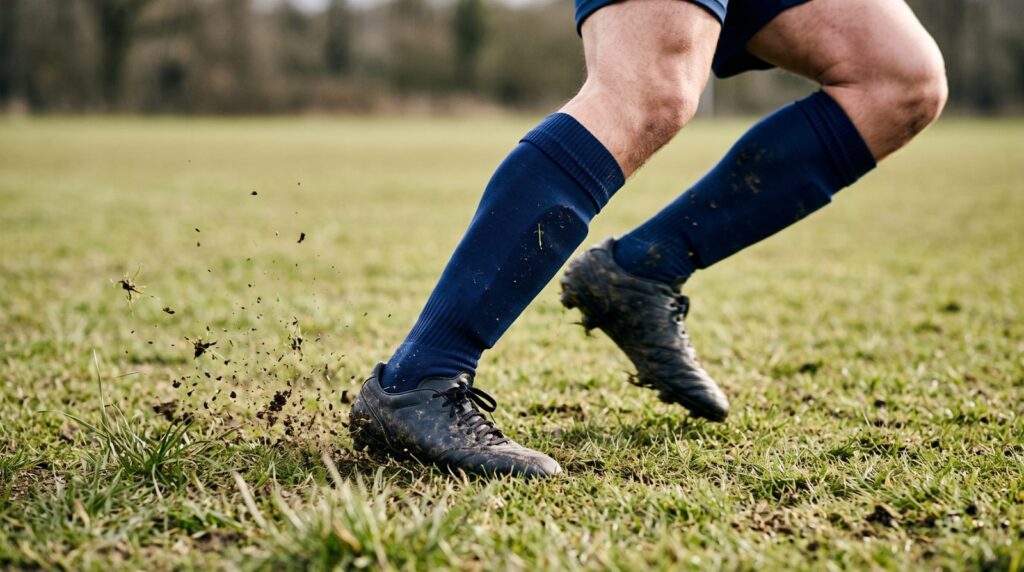
How You React to a Mistake Matters More Than the Mistake Itself
Everyone makes mistakes in a tryout — it’s part of playing, not a red flag on its own. What coaches actually notice is the reaction. If you lose the ball in a silly spot, sprinting back to win it says far more about you than the mistake does. Standing still or looking frustrated says the opposite. The mistake is forgotten quickly; how you respond to it isn’t.
You Don’t Need Special Preparation, Just Normal Readiness
If you’re already training regularly with another team, there’s no need to change anything specific before a tryout — showing up in the condition you’re already in, rather than trying to peak for one session, tends to work fine. What actually helps is consistency leading up to it, not a last-minute push.
What a Tryout Actually Teaches You
Beyond whether you make the team, tryouts are useful for a reason that goes beyond the result: they put you under a specific kind of pressure that you’ll face repeatedly in actual matches — being watched, being judged, needing to perform without much buildup. Getting comfortable with that feeling is valuable on its own, regardless of the outcome.
Common Mistakes to Avoid
Trying flashy plays to stand out. Simple and clean beats ambitious and inconsistent almost every time in a tryout setting.
Shutting down after a mistake. Coaches watch the reaction more than the mistake itself — recovering fast matters more than not making one at all.
Overthinking the first session. You’re not expected to show everything immediately; let your level come through over time instead of forcing it early.
FAQ
How nervous is normal before a tryout?
Very. Almost everyone feels it, especially the first time, and it tends to settle as you go through more sessions. The nerves themselves aren’t the problem — letting them push you into rushed or overambitious play is.
Should I prepare something special beforehand?
Not really, if you’re already training regularly. Showing up in your normal form tends to work better than trying to peak for one specific session.
What matters more — skill or attitude?
Both, but attitude is often what separates players at a similar skill level. How you handle mistakes, pressure, and a new environment says a lot to coaches, even in a short session.